Reflections on Daily Food Choices and Body Weight Patterns

An educational overview exploring how everyday eating routines, social contexts, and environmental factors relate to general patterns in body weight. This resource presents informational content for understanding, not advice or recommendations.

Educational content only. No medical services. No promises of outcomes.

Read the Overview
A table setting with everyday meal items arranged naturally

Daily Meal Routines Overview

Daily meal routines vary considerably across individuals and households. The timing, composition, and setting of meals often reflect a combination of personal preferences, cultural backgrounds, and practical constraints such as work schedules.

Research observations suggest that consistent meal patterns may relate to various metabolic processes, though individual experiences differ widely. The relationship between eating schedules and body weight patterns remains an area of ongoing academic interest.

Understanding one's own eating routines can provide context for recognising how daily habits fit within broader lifestyle patterns, without implying any particular approach is superior or recommended.

Explore Lifestyle Context


A home kitchen counter with breakfast items and morning light

Workday Eating Habits and Environment

The workplace environment significantly influences eating patterns for many individuals. Office settings, remote work arrangements, and varying shift schedules each create distinct contexts for food choices throughout the working day.

Observations from workplace studies indicate that factors such as available break time, proximity to food options, and desk-based versus mobile work all contribute to how and when people eat during work hours.

The interplay between professional responsibilities and eating opportunities represents one of many lifestyle factors that may relate to overall nutritional patterns and, by extension, general weight trends observed in population studies.

Understand General Patterns
An office desk with a simple lunch arrangement and work materials

Social and Family Eating Patterns

The social context of eating encompasses family meals, dining with friends, and community food traditions. These settings often influence portion sizes, food selection, and the overall eating experience.

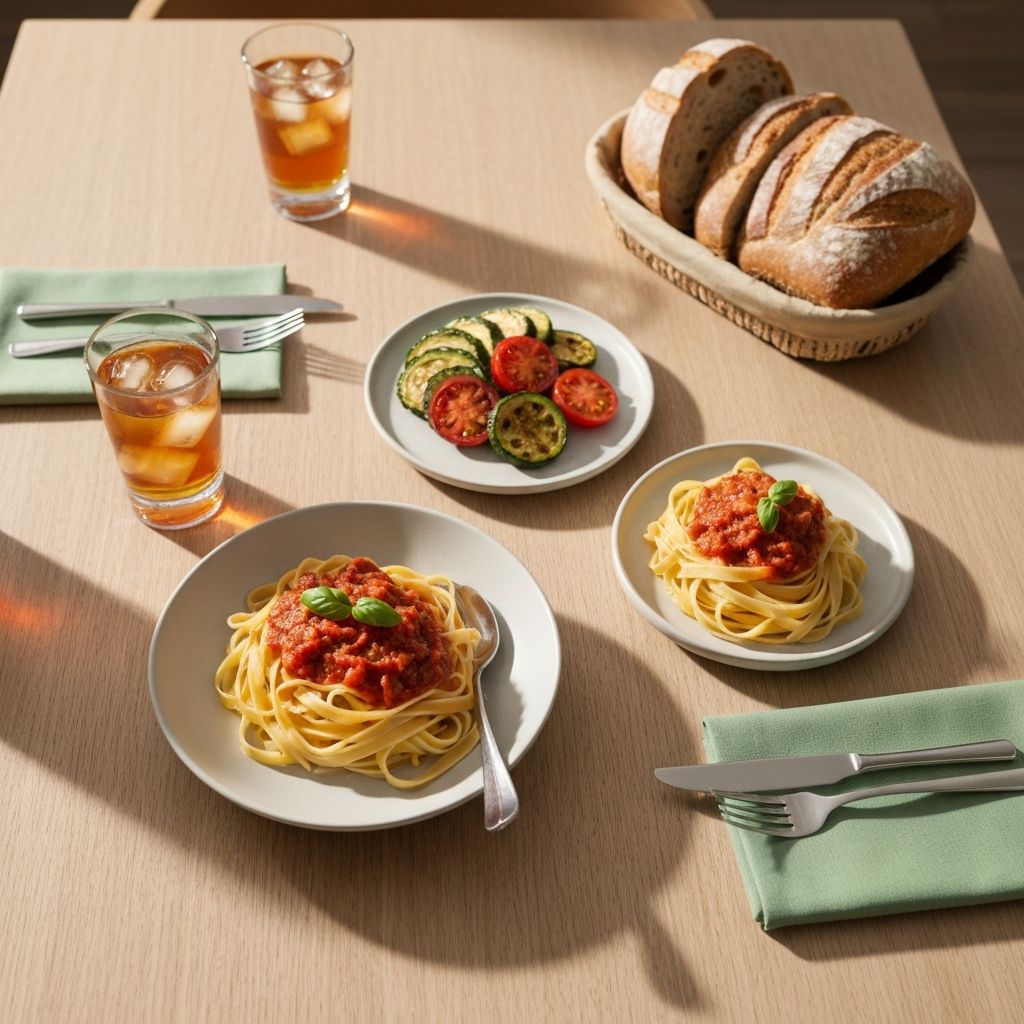
A dining table set for a family meal with multiple place settings

Family Meal Dynamics

Shared family meals represent a common setting where eating patterns develop and are maintained. Research observations note that household composition and family schedules contribute to when and how meals occur in domestic settings.

The presence of children, multi-generational households, or single-person living arrangements each create different contexts for food preparation and consumption patterns.

Friends gathered around a restaurant table with various dishes

Social Dining Contexts

Eating in social settings such as restaurants, gatherings, or celebrations often differs from solitary meals. Academic literature suggests that social facilitation may influence eating behaviour, though individual responses vary considerably.

Cultural norms regarding hospitality, portion expectations, and communal versus individual serving styles all contribute to the social dimensions of eating patterns.

Snack and Casual Consumption Trends

Beyond structured meals, many individuals engage in snacking or casual eating throughout the day. The availability of convenience foods, personal preferences, and environmental cues all contribute to these eating occasions.

Population surveys indicate considerable variation in snacking frequency and composition. Some individuals rarely eat between meals, whilst others incorporate multiple snacking occasions into their daily routines.

The relationship between snacking patterns and overall nutritional intake represents an area where individual differences are particularly pronounced, making broad generalisations difficult to apply at a personal level.

A kitchen counter with everyday snack items and beverages

Weekend Routines and Lifestyle Influence

Weekend and non-working days often feature different eating patterns compared to weekdays. Changes in sleep schedules, leisure activities, and social engagements may all influence food timing and selection.

Some individuals maintain consistent eating patterns regardless of the day, whilst others experience notable differences between working and non-working periods. Neither approach is inherently preferable; rather, these variations reflect the diversity of lifestyle arrangements.

Recognising how weekly cycles influence personal eating patterns can provide useful context for understanding one's own routines within broader lifestyle considerations.

A relaxed weekend brunch setting at home with natural lighting

Mindful Eating and Awareness

The concept of mindful eating refers to paying attention to the eating experience, including hunger and satiety cues, taste, and the circumstances surrounding meals. This approach has received academic attention in recent years.

Research in this area explores how attention and awareness during eating may relate to food satisfaction and consumption patterns. However, findings vary across studies and populations, and individual experiences with mindful approaches differ considerably.

Understanding the concept of mindful eating provides one lens through which to consider personal eating habits, without suggesting it as a prescribed approach for any particular outcome.

A calm dining setting with a single place setting and natural elements

Environmental Factors Affecting Choices

The physical environment in which eating occurs can influence food choices in various ways. Factors such as food accessibility, kitchen organisation, and dining space arrangements all contribute to the overall eating context.

Urban versus rural settings, local food availability, and seasonal variations represent broader environmental factors that shape eating patterns at a community level. These influences operate alongside individual preferences and household circumstances.

Considering environmental factors provides additional perspective on the complex interplay between setting and eating behaviour, recognising that individual control over these factors varies considerably.

A well-organised kitchen pantry with various food storage containers

Limitations and Context

  • Informational Nature: All materials presented on this website are intended for educational and informational purposes only. They do not constitute medical, nutritional, or health advice of any kind.
  • No Personal Recommendations: This resource does not provide personalised advice, recommendations, or guidance regarding diet, weight, health conditions, or lifestyle changes. Individual circumstances vary greatly.
  • Diverse Approaches: People approach their daily food choices and lifestyle habits in many different ways. What works for one person may not be suitable for another, and this site does not advocate for any particular approach.
  • Not a Substitute: The information provided here does not replace individual decision-making, professional consultation, or personal judgment regarding health and lifestyle matters.
  • Academic Context: References to research or studies are provided for educational context only and should not be interpreted as conclusive evidence applicable to individual situations.

Frequently Asked Questions

What is the purpose of this website?

NutriScope is an educational resource that provides informational content about daily food choices and their relationship to body weight patterns. The site exists to explain concepts and contexts, not to provide advice or influence personal decisions.

Does this site provide dietary recommendations?

No. This website does not provide dietary recommendations, meal plans, or guidance on eating behaviours. All content is informational and educational in nature, describing general patterns observed in research without prescribing specific approaches.

Is the information suitable for making health decisions?

The information on this site is not intended for making health decisions. Individual health matters require personal judgment and, where appropriate, consultation with qualified professionals. This site provides general educational content only.

How should I interpret the research references?

Research references are provided to offer educational context about academic observations in this field. They should not be interpreted as applicable to individual circumstances or as endorsements of particular approaches. Research findings often vary and may not generalise to all populations.

Who creates the content for NutriScope?

NutriScope content is developed with an educational focus, presenting balanced informational material about food habits and lifestyle factors. The content describes observable patterns and contexts without advocating for specific behaviours or outcomes.

Get in Touch

If you have questions about our educational content, please feel free to reach out.

Continue Exploring

Learn more about daily eating patterns, lifestyle contexts, and the factors that contribute to food choices in everyday life.

Explore Lifestyle Context